The future of ESG work in construction and real estate
Harder and easier at the same time
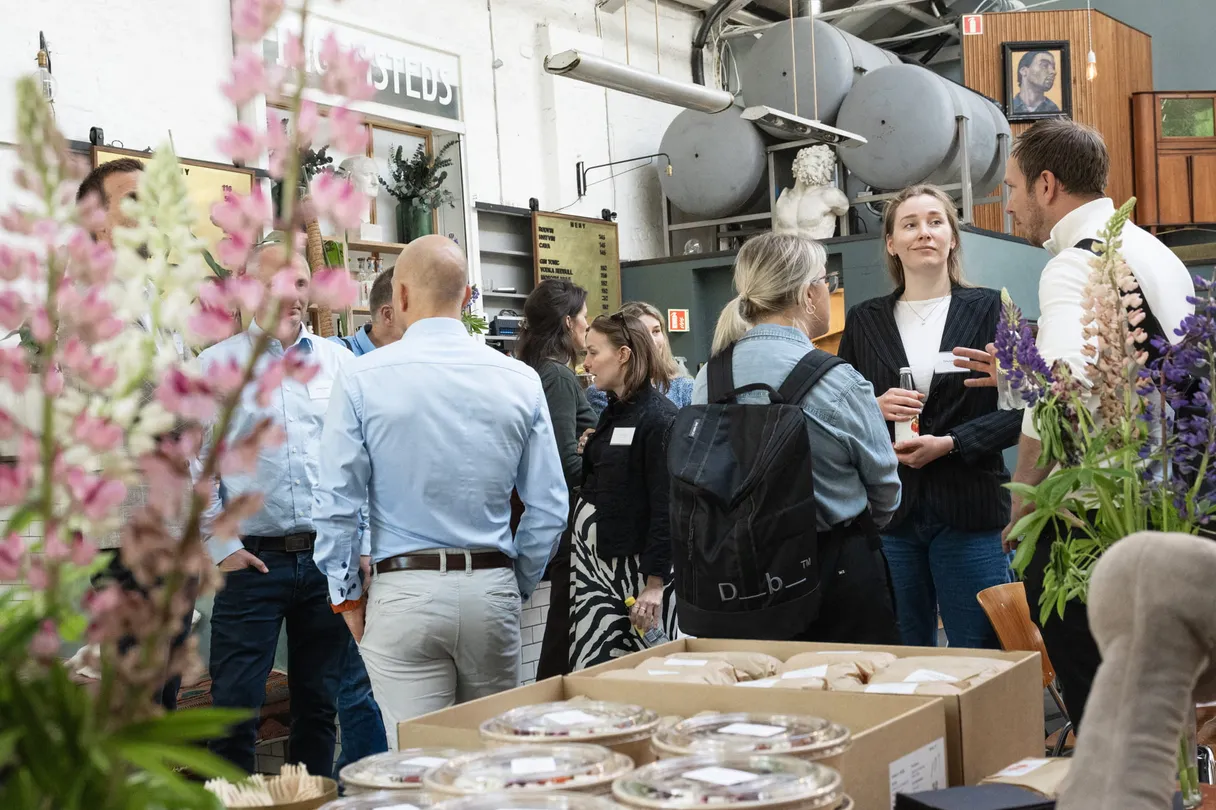
Last week we filled Ingensteds to ask the industry one question: What does the future of ESG work look like for construction and real estate? Grønn Byggallianse, Microsoft, Backe, Solon Eiendom and Ferd Eiendom shared where the industry is actually heading. Here are the key takeaways we brought back from the stage, and two pieces of news we have long looked forward to showing off.
The short answer: sustainability is becoming harder and easier at once
If we boil a whole day down to one sentence, it is this: sustainability work in construction and real estate is becoming both harder and easier right now.
Harder because the frameworks keep shifting, the industry is under pressure, and 2030 keeps getting closer. Easier because technology finally lets us get more out with less. The rest of this summary is about how these two forces connect, and what they mean for you who work in real estate.
Harder: pressure, delays and an industry in heavy weather
The directives that were meant to provide predictability keep changing and postponing themselves. Omnibus is the latest example, and it has meant that companies now have to stand more on their own feet when it comes to setting realistic environmental targets and following up on them.
This is happening in an industry that is already under strain. 25% of all bankruptcies in Norway occur in construction, civil engineering and real estate, even though the industry accounts for only around 12% of companies (source: Credisafe and Intrum). Margins are thin, and the capacity to do everything right is a real constraint.
And the climate clock is ticking. Of Norway's 2030 emissions-reduction target, around 77% still remains (source: WWF and SSB). Extreme weather also carries a price tag: insurance companies have paid out over NOK 42 billion in weather and natural damage to buildings and contents over the past ten years (source: Finance Norway's climate report 2026). At the same time, 81% have kept or strengthened their climate targets, but 63% are talking less about their sustainability work (Trellis, 2026).
Easier: technology lets us get more out with less
The good news is that it has never been easier to actually get the job done. 2026 has been a paradigm shift for AI, and the technology is now good enough to take on much of the time-consuming, repetitive work that has traditionally stolen time from the actual measures.
It is this combination — tougher frameworks and better tools — that shapes the future of ESG work.
The key takeaways from the stage
Grønn Byggallianse: sustainability has become a contingency measure
We are far behind the 2030 targets, but sustainability still pays off. With extreme weather and rapid market changes, sustainability has gone from being a reputational question to becoming a contingency and risk question. The market pays for documented qualities, and credible documentation only becomes more important.
Microsoft: AI scales knowledge, people scale judgment
AI scales knowledge and capacity. We humans must scale judgment, responsibility and trust. Soon we will all have a number of agents working for us, and they need to be led. That is why Microsoft is investing heavily in industry-specific agents through its platform and partner network. AI does not make the decisions for you, and it is not accountable. People still are.
Backe: in times of crisis we get creative
It is in times of crisis that we get creative, and a lot of good comes out the other side of what the industry is going through now. To succeed with new technology, you have to own both the problem and the solution, pilot often, and build your own competence to assess suppliers. New business models are on the way, and they are changing how large organizations adopt technology.
Solon and Ferd Eiendom: a strategy is worth nothing until it is operationalized
A strategy is worth nothing until it is operationalized across the entire organization. It is about getting things done. Action plans are a pain to create, but that is precisely where the right measures actually take shape. The tool alone solves nothing. What works is changing work processes, anchoring early with the project managers, and using digitalization to distribute responsibility out into the organization and pull status back toward the targets.
The conclusion: execution wins
The common thread throughout the day was the same: execution wins. Less time on admin, more time on actual measures.
It is not a new point, but the conditions are new. Studies have long shown that around half of good strategies fail in execution (source: Harvard Business Review). The difference now is that technology makes execution both faster and cheaper than before. For those who work systematically, the gain is real: research from Malling on over 600 contracts points to around 10% higher rent for environmentally certified office buildings in Oslo, in addition to lower operating costs and better loan terms.
New from Kvist: Kvist AI and a senior sustainability advisor
The market demands that every company finds its own path to 2030. That is why we have gone from being a certification tool to delivering comprehensive environmental follow-up and reporting for construction and real estate. And on stage we shared two pieces of news:
- Kvist AI is ready for beta testing. A proactive agent that frees the industry from the time-consuming, repetitive ESG work, so your people get more time for actual measures.
- We have hired a senior sustainability advisor. This means we can now take responsibility for the end result for those who need it, while the agents deliver faster and cheaper than was previously possible.
Human judgment on top, AI under the hood. That is how we believe the future of ESG work should look.
What does this mean for you?
The future of ESG work requires three things that work together: the right infrastructure and processes, AI agents that take on the manual work, and accountable expertise that makes the decisions and gets things done on the buildings and projects. If you can connect these three, sustainability becomes cheaper, faster and more credible at the same time.
Many thanks to everyone who came, and to the speakers who made the evening.
Want to help beta-test Kvist AI? Book a demo or send us a message, and we will show you how it works.